
cropped-cropped-WhatsApp-Image-2022-06-05-at-8.37.57-PM.jpeg

Why Choosing the Right Design Firm Matters for Your Project Success

Introduction:

Choosing the right design firm for your project can be a daunting task. With so many options out there, how do you know which firm will provide the best results? In this article, we’ll explore the importance of choosing the right design firm and how it can impact the success of your project.

Expertise:

One of the most important factors to consider when choosing a design firm is their expertise. A firm that specializes in your particular project type, whether it’s residential, commercial, or industrial, will have the knowledge and experience to provide the best results. Look for a firm with a portfolio that showcases similar projects to yours and check their reviews and client feedback.

Collaboration:

Effective collaboration between the design firm and the client is essential for project success. Look for a firm that values communication and collaboration, and is willing to work with you to understand your goals, preferences, and needs. A good design firm should provide clear timelines, budgets, and project milestones to ensure that everyone is on the same page throughout the project.
Innovation:

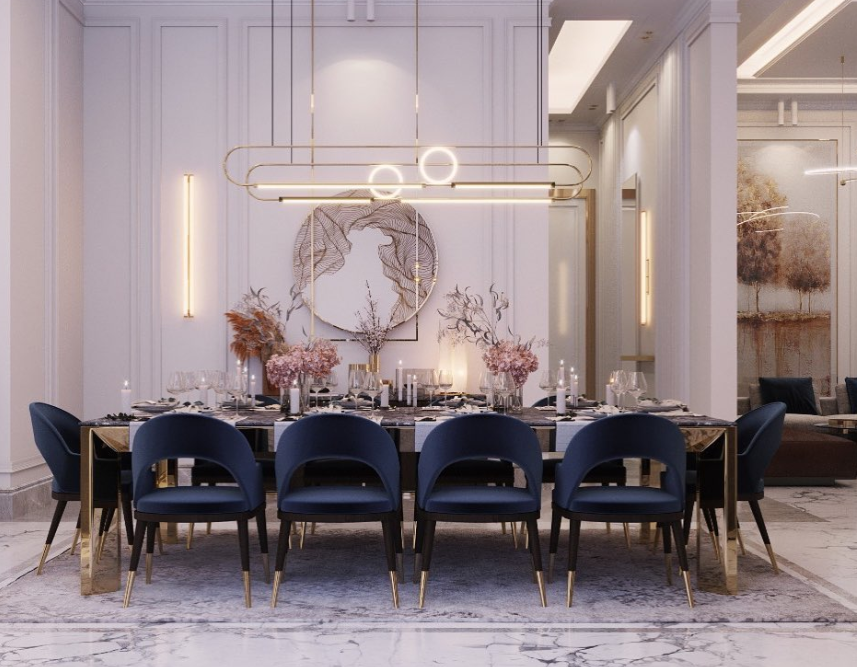
The right design firm should also be innovative and up-to-date on the latest design trends and technology. They should be able to bring fresh and creative ideas to the table while still incorporating your vision and preferences. Look for a firm that has a culture of innovation and invests in ongoing training and development for their team members.

Value:

While cost is certainly an important consideration when choosing a design firm, it shouldn’t be the only factor. Look for a firm that offers competitive pricing without sacrificing quality or expertise. A good design firm should be transparent about their pricing structure and should provide a detailed breakdown of costs and expenses.

Conclusion:

Choosing the right design firm is crucial to the success of your project. By considering factors such as expertise, collaboration, innovation, and value, you can find a firm that will provide the best results and ensure that your project is a success.
Architecture Design Kuwait 1

Architectural Design in Kuwait and Qatar: Combining Tradition and Innovation

Introduction:

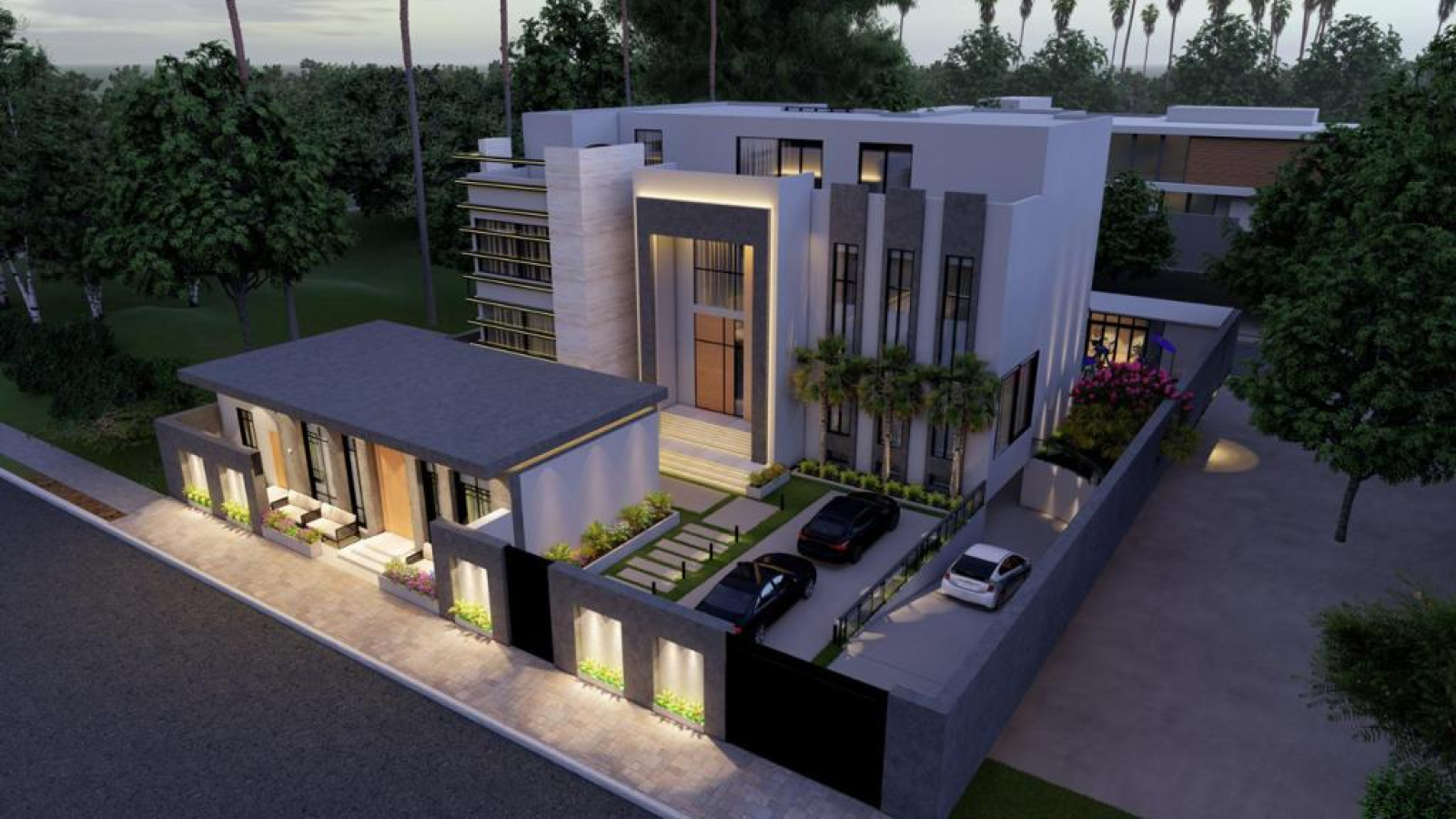
Kuwait and Qatar are known for their rich history and culture, and architectural design in these countries reflects a unique blend of tradition and innovation. In this article, we’ll explore the latest trends, tips, and inspiration for architectural design in Kuwait and Qatar.

Keywords: architectural design, Kuwait, Qatar, tradition, innovation

Trends:

In recent years, Kuwait and Qatar have seen a rise in sustainable architecture that incorporates local materials like stone, clay, and wood. Other trends include the use of geometric shapes and patterns, and the integration of technology and smart design features.

Keywords: sustainable architecture, local materials, geometric shapes, patterns, technology, smart design

Tips:

When designing a building in Kuwait or Qatar, consider the local climate and incorporate shading and ventilation to improve energy efficiency and comfort. In addition, pay attention to the cultural and social context to create a building that is both functional and aesthetically pleasing.

Keywords: local climate, shading, ventilation, energy efficiency, comfort, cultural context, functional, aesthetically pleasing

Inspiration:

Get inspired by visiting iconic buildings in Kuwait and Qatar, such as the Kuwait Towers or the Museum of Islamic Art in Doha. You can also explore local design studios or attend architecture exhibitions and events to stay up-to-date on the latest trends and styles.

Keywords: iconic buildings, Kuwait Towers, Museum of Islamic Art, local design studios, architecture exhibitions, events, trends, styles

Conclusion:

By incorporating sustainable materials, innovative design features, and cultural context, you can create a unique and functional architectural design in Kuwait and Qatar that blends tradition and innovation.

Keywords: sustainable materials, innovative design, cultural context, unique, functional, tradition, innovation